
Build an approval‑ready credit profile
Understand what’s driving your credit decisions, identify items that may be unfair or inaccurate, and take a structured next step toward stronger approvals and better terms.
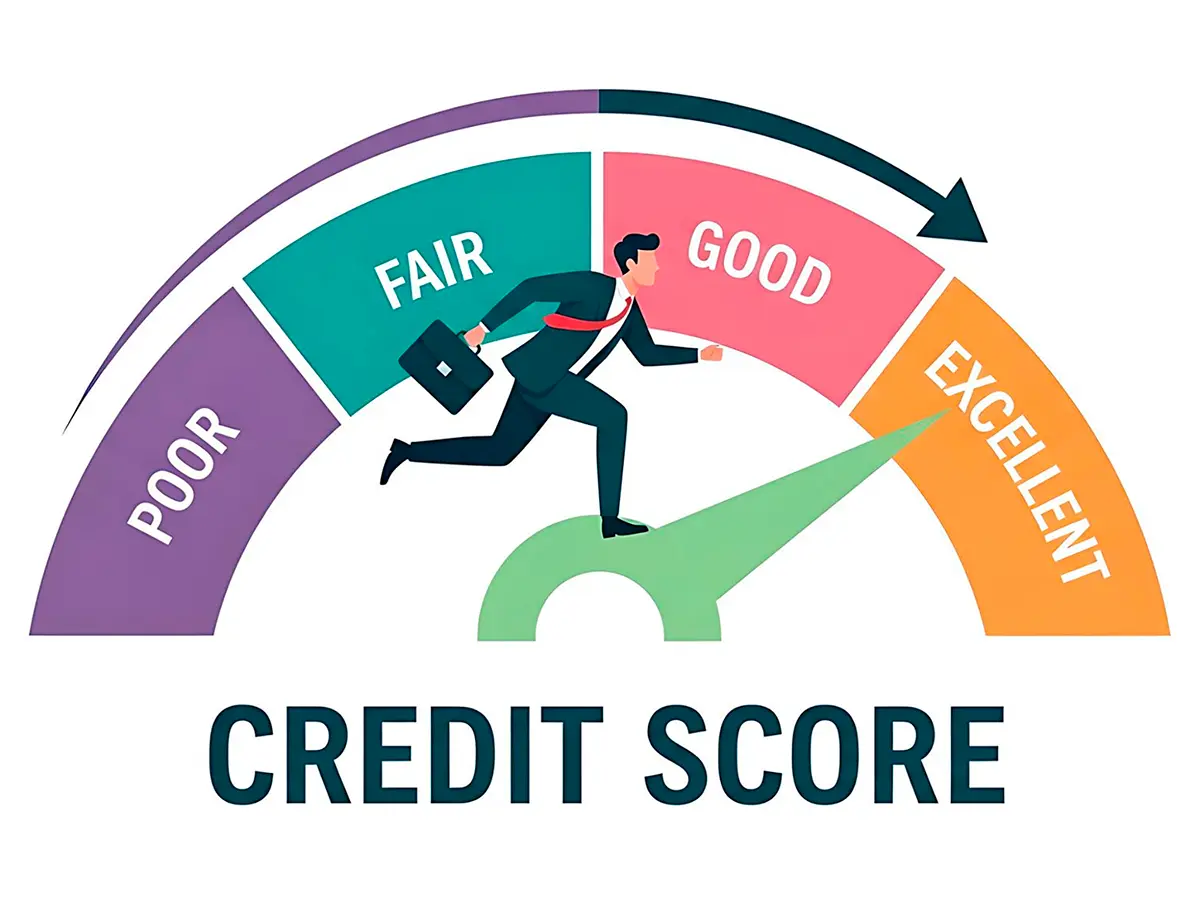
Built around established U.S. credit reporting practices and dispute procedures under the Fair Credit Reporting Act (FCRA). No unrealistic promises—just clarity, documentation, and structured credit improvement.
Unlock more options
Choose the outcome you care about. We’ll outline what improves it—and what to watch for—so you can move forward with confidence.
Your path to stronger credit
A stronger credit profile can mean better approval odds, improved loan terms, and more financial flexibility. Get a clear, no-fluff overview of what credit improvement can help you achieve — then take the next step when you're ready.
Credit decisions in the U.S. are typically influenced by payment history, utilization ratios, account age, recent inquiries, and the accuracy of reporting across major credit bureaus.
Even small inconsistencies can affect lending algorithms. A structured credit improvement approach focuses on verified data, responsible usage patterns, and consistent financial behavior.
*Results vary. This page does not guarantee outcomes.
How it works
A straightforward workflow used by reputable credit‑support programs: review, challenge what’s questionable, and build stronger habits while updates are processed.

Review your starting point
Clarify your goal and look at what’s currently affecting approvals and terms.

Identify what can be challenged
See what information is typically needed, what to expect next, and how the workflow usually looks.

Move forward
Continue to explore available options and take the next step toward better credit outcomes.
how to fix your credit score step by step and make progress that sticks
Know your baseline
Your score reflects five levers: payment history, credit utilization, length of history, mix, and new credit. Start by pulling all three reports from the major bureaus and scanning them line by line. You're looking for accuracy first; improvement follows clean data. Note your statement dates, limits, balances, and any negative marks. A clear snapshot turns a vague goal into a plan you can schedule.
- Flag wrong late payments, duplicate collections, or accounts that aren't yours.
- Check credit limits; missing limits can inflate utilization.
- Fix name, address, and employment errors that can mis-route account updates.
Dispute and clean errors
- Gather proof. Statements, payment confirmations, letters - anything that contradicts the error.
- Dispute with each bureau reporting it. Be specific: what's wrong, why, and the evidence.
- Track responses. Bureaus usually reply within 30 days; follow up if they don't.
- Escalate if needed. If a verified error remains, file a complaint with the regulator and include your paper trail.
- Goodwill requests. For a one-time slip on an otherwise perfect account, politely ask the lender to remove a late mark. It's not guaranteed, but it works often enough to try.
Lower utilization fast
Utilization - balances divided by limits - moves scores quickly. Aim under 30% overall, under 10% for the best gains. Pay attention to statement dates, not just due dates. A mid-cycle payment can drop the balance that gets reported.
- Make a small payment a few days before the statement closes.
- Split one large payoff into two payments across the month to keep reported balances low.
- Request a limit increase on accounts in good standing (avoid if your income dropped or you've had recent lates).
- Use the "all zero except one" tactic: let one card report a tiny balance; set the rest to report $0.
- Avoid closing your oldest card; it may shorten your average age and raise utilization.
Build positive history
Scores rise when you prove reliability. Automate the minimum on every account to prevent accidental lates, then add targeted extra payments to reduce debt faster. If your file is thin, consider a secured card, a credit-builder loan, or reporting verified rent payments. Becoming an authorized user on a well-managed, old account can help - only if it has no late history and low utilization.
A quick real-world win
On a Thursday, you learn a landlord will run your credit Monday. You pay $300 on your main card before the statement closes Friday, dropping utilization from 48% to 19%. By Monday, the updated balance posts, your score bumps, and your application feels less risky.
Time, limits, and expectations
Recent 60 - 90-day lates, bankruptcies, or multiple collections blunt quick gains. Negative marks age off - most at seven years, Chapter 7 at ten - but you can still improve around them. Paying collections helps under newer scoring models that ignore paid collections; some lenders use older models that still count them. No trick erases legitimate debt overnight, and rapid rescoring is a short-term tool, not a fix for chronic high balances.
Action plan you can follow this month
- Pull all three reports; make an error list.
- Dispute verifiable mistakes with documentation.
- Schedule mid-cycle payments to keep reported balances low.
- Automate minimums; use extra cash for the highest-interest revolving debt.
- Consider one growth move: limit increase, secured card, or rent reporting.
- Set reminders for statement dates and review progress every 30 days.
Fixing your score isn't glamorous, but it's controllable. Clean data, low utilization, and on-time payments - stack those, and your score follows.
Key Strategies to Maintain and Improve Credit Scores - Pay bills on time and before the due dates with at least minimum payments requested on billing statements.
Credit repair is the act of restoring or correcting a poor credit score. It can also involve paying a company to contact the credit bureau ...
How to improve your credit score - 1. Check your credit report for errors - 2. Prioritize paying on time - 3. Work to pay down your debts - 4.
Frequently asked questions
A clear next step — without the guesswork
See what’s impacting approvals and what may deserve a closer look.
Understand how disputes are structured and what documentation matters.
Improve utilization, consistency, and long-term credit stability.
See what improving your credit could change
Take a structured next step based on your current profile — and decide with clarity.